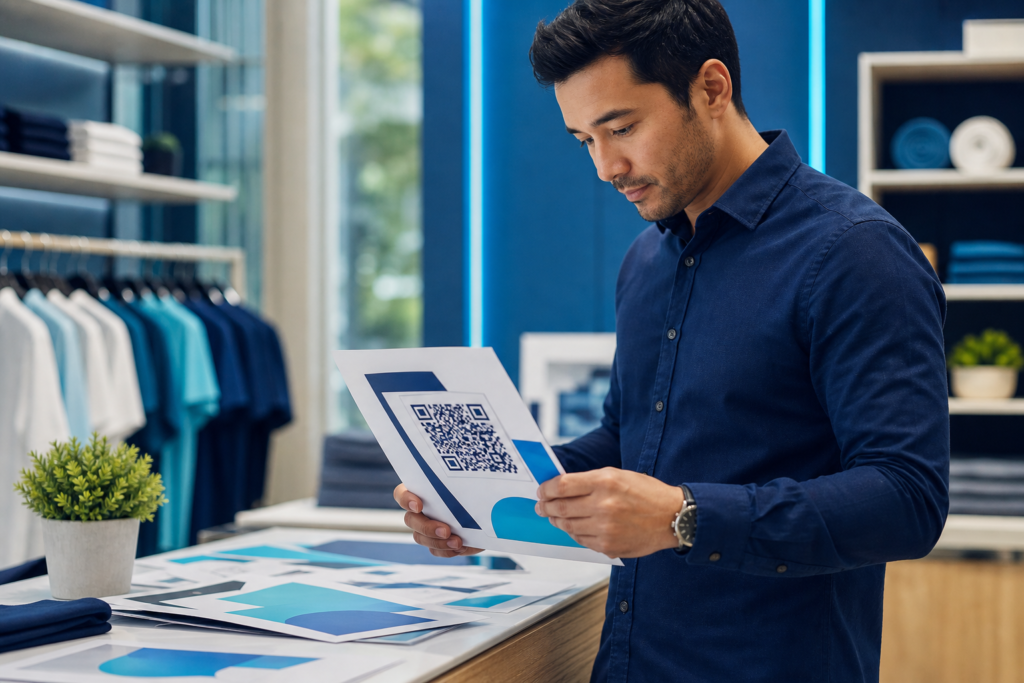
QR codes have become one of the simplest ways for small businesses to connect offline attention with online action. The best QR Code Marketing Ideas for Small Businesses do not rely on gimmicks. They make it easier for customers to visit a page, leave a review, download a coupon, follow a brand, or send a message in seconds.
For a small business, that speed matters. Customers at a counter, event, storefront, or delivery drop-off often do not want to type a long URL or search for your business manually. A well-placed QR code can reduce friction, improve response rates, and make campaigns easier to measure. The key is to use QR codes with a clear purpose and a useful destination.
In this guide, you will find practical QR Code Marketing Ideas for Small Businesses that work across print, packaging, signage, and digital touchpoints. You will also learn how to choose the right QR code type, where to place it, and how to avoid the most common mistakes.
Why QR codes work well for small businesses
Small businesses often need marketing that is affordable, flexible, and easy to update. QR codes fit that need because they can bridge physical materials and digital content without requiring a large production budget. A single code can point to a menu, offer page, review form, WhatsApp chat, product brochure, or booking link.
They are also useful when you want to create one action at a time. Instead of asking customers to do several things at once, a QR code can direct them to the most relevant next step. That could be redeeming a discount, leaving feedback, joining a mailing list, or learning more about a product.
If you are building a broader digital strategy, QR codes can support other services as well. For example, a landing page created through website and e-commerce development can give your QR campaigns a dedicated destination, while digital marketing and customer engagement efforts can turn that traffic into repeat interaction.
QR Code Marketing Ideas for Small Businesses that you can use today
1. Add QR codes to product packaging
Packaging is one of the most overlooked places for QR codes. A code on a box, bag, label, or insert can lead customers to setup instructions, care tips, loyalty sign-ups, warranty registration, or a thank-you message. This is especially useful for businesses that sell physical products and want to continue the relationship after purchase.
For example, a skincare brand might link to a routine guide, while a bakery could send customers to a page with storage and freshness tips. The goal is to add value, not just promote more selling.
2. Use QR codes on flyers and posters
Flyers and posters are more effective when they make it easy to act immediately. Instead of relying on a customer to remember a web address later, place a QR code near a short call to action such as “Scan to claim your offer” or “Scan for event details.”
Keep the destination specific. A flyer promoting a seasonal sale should not send people to a general homepage if you can avoid it. A focused page with a single message is usually better.
3. Place QR codes on business cards
Business cards are still useful, but space is limited. A QR code can add a modern touch and point people to your portfolio, booking page, contact form, or digital brochure. This is especially helpful for service providers, consultants, freelancers, and B2B businesses.
If you want to compare different QR formats and deployment methods, it can help to review the difference between static and dynamic QR codes before printing large quantities of cards.
4. Turn receipts into repeat-visit tools
Receipts often go straight into a wallet or trash, but they can still support future sales. Add a QR code that leads to a review request, a return visit coupon, a loyalty program, or a short survey. This is a low-cost way to extend the customer experience after checkout.
For businesses that rely on local reputation, a review-focused receipt QR code can be especially effective. If that fits your goals, you may want to generate a QR code for Google Reviews and use it on printed receipts, table tents, or thank-you slips.
5. Use QR codes on menus and table tents
Restaurants, cafes, food trucks, and beverage businesses can use QR codes for menus, specials, ordering pages, feedback forms, or loyalty sign-ups. Even outside food service, table tents work well in waiting rooms, salons, clinics, and service counters.
Keep the experience simple. If the QR code is for a menu, make sure the page loads quickly and is mobile-friendly. If it is for a promotion, make sure the offer is easy to understand in a few seconds.
6. Promote events, workshops, and local activations
QR codes are useful for event registration, speaker bios, schedules, directions, and post-event follow-up. If your business attends expos, markets, fairs, or community events, a QR code can help capture interest when people are moving quickly.
You can place the code on banners, badges, brochures, display stands, and giveaways. The best event QR codes usually lead to a clear landing page with one action, such as registering, booking a demo, or downloading a resource.
7. Use QR codes on storefront signage
Storefront windows and entrance signage can work as 24/7 marketing surfaces. A QR code on the glass can direct people to your latest offer, booking page, social profile, or product catalog. This is useful even when the shop is closed, because passersby can still engage with your business.
Make sure the code is large enough to scan from the expected distance. If you are unsure about dimensions and placement, use this QR code size guide for business cards, posters, and packaging to help you choose practical sizing.
8. Use QR codes in direct mail
Postcards, brochures, and letters can benefit from a QR code because they connect a physical mailer to a landing page with a single scan. This is especially helpful when you want to track responses or make an offer time-sensitive.
Direct mail works best when the printed message and the destination page match closely. If the mailer offers a consultation, the QR code should lead to a consultation page, not a broad menu of unrelated links.
9. Link QR codes to WhatsApp or instant messaging
Many customers prefer quick messaging over email forms. A QR code that opens WhatsApp or another chat channel can reduce friction for support, reservations, inquiries, and sales questions. This is particularly useful for service businesses that rely on fast responses.
For businesses that want to set up message-based contact, how to create a WhatsApp link for your business is a helpful next step before building a scannable campaign asset.
How to choose the right QR code destination
One of the most common mistakes in QR Code Marketing Ideas for Small Businesses is sending everyone to the wrong page. The destination should match the context of the scan. A customer scanning at checkout has different intent from someone scanning a poster at a trade show.
Use these simple rules:
- For offers, send users to a dedicated promotion page.
- For reviews, send users directly to the review form.
- For support, send users to a chat or FAQ page.
- For product information, send users to the relevant product or category page.
- For lead generation, send users to a short form with a clear benefit.
If your campaigns need flexibility after printing, dynamic QR codes are usually more practical because they allow the destination to be updated without changing the printed code. Static codes are fine for permanent, unchanging uses, but they are less adaptable.
Best practices for QR code marketing
To get better results, treat QR codes like any other marketing asset: they need strategy, design discipline, and testing.
Make the action obvious
A QR code should not appear without context. Add short, specific instructions like “Scan to see today’s menu,” “Scan to book a consultation,” or “Scan to leave a review.” People scan more often when they know what they will get.
Test the code before printing
Always test on several devices and at different distances before publishing or printing. Check that the destination loads correctly, the page is mobile-friendly, and the code is easy to scan in real-world lighting.
Match design and branding carefully
QR codes can be styled, but not to the point where scanning becomes unreliable. Use enough contrast, avoid busy backgrounds, and leave a quiet zone around the code. If you want a branded version, tools such as create branded QR codes with OneCode Pulse can help you build a cleaner, more professional appearance.
Track what happens after the scan
Scanning is only the first step. What matters is whether the landing page converts. Measure form submissions, coupon redemptions, bookings, reviews, or message starts so you can identify which placements are actually working.
Common mistakes to avoid
- Sending every code to the homepage instead of a relevant page
- Using a QR code without a visible call to action
- Printing a code too small for the environment
- Placing codes where lighting or distance makes scanning difficult
- Not testing the code on different phones before distribution
- Using a destination page that is slow, cluttered, or hard to read on mobile
These issues are easy to overlook, but they can significantly reduce engagement. In many cases, the problem is not the QR code itself; it is the path after the scan.
How small businesses can start with a simple QR campaign
If you want to launch quickly, start with one goal and one placement. For example, a café could use a QR code on receipts to encourage reviews. A salon could place a code at the reception desk for online booking. A local retailer could add a code to window signage for seasonal offers.
Once the first campaign is live, review the results and improve one element at a time: the call to action, the landing page, the placement, or the offer. Small adjustments can make the campaign more effective without increasing cost.
For businesses that want stronger technical support, better landing pages, or a more complete conversion strategy, OneCode Pulse can help you connect QR campaigns to wider digital growth systems, from websites and SEO to automation and customer engagement.
Conclusion: QR Code Marketing Ideas for Small Businesses
QR Code Marketing Ideas for Small Businesses work best when they are simple, relevant, and designed around a clear customer action. Whether you use them on packaging, posters, receipts, business cards, or storefront signs, the goal is the same: make it easy for people to move from interest to action in one scan. Start with one campaign, test it carefully, and improve the destination page so every scan has a real purpose.
Frequently Asked Questions
What is the best QR code use for a small business?
The best use depends on your goal. For many small businesses, QR codes work well for reviews, menus, booking links, special offers, and contact forms because they create a direct next step.
Should a QR code go to a homepage or a landing page?
A dedicated landing page is usually better because it matches the context of the scan and removes distractions. Homepages often contain too many options for a campaign goal.
Can I use the same QR code on printed materials and digital channels?
Yes, but only if the destination and context are appropriate. For print, make sure the code is large enough and clearly labeled. For digital use, it should still be easy to scan and understand.
Are dynamic QR codes better for marketing campaigns?
Dynamic QR codes are often better for campaigns that may need updates later, since the destination can be changed without reprinting the code. Static codes are more suitable for permanent, unchanging links.
How do I know if my QR code campaign is working?
Track the action after the scan, such as bookings, reviews, sales, sign-ups, or messages. If possible, use unique codes or dedicated landing pages for each placement so you can compare performance.
Get a Free Consultation for QR Code Marketing
If you want QR code campaigns that look professional and lead to real business results, OneCode Pulse can help. Contact us for a free consultation to plan the right landing pages, tracking setup, and digital experience for your next campaign.